Australia has a growing demand for Mandarin education to the point that it has surged in popularity over the past decade to account for one in five foreign-language students in the state of Victoria, according to the latest survey. Taiwan is implementing its 2030 Bilingual Nation Policy to make its younger generations proficient in English as well as Mandarin. To address the related language education needs, school partnerships between both nations are encouraged by the Education Division of Taipei Economic and Cultural Office in Australia with its broad focus on expanding access to Mandarin and English language learning opportunities.
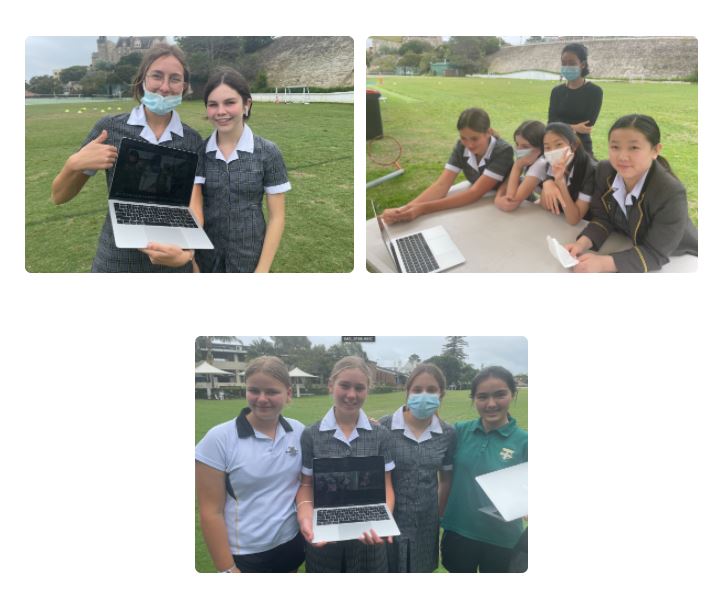
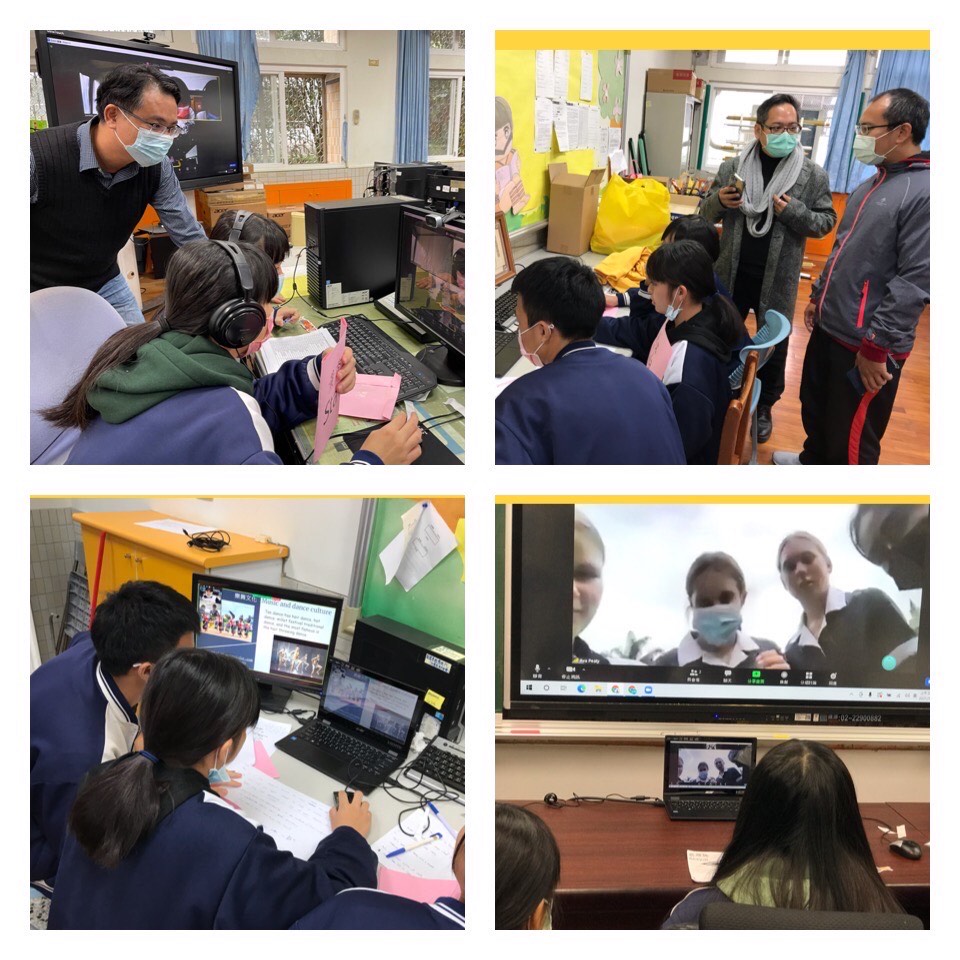
On Tuesday 23rd November, the students in Year 8 Mandarin classes at Kambala School in New South Wales, initiated an online bilingual exchange program with students from Pqwasan Laqi-mrkyas Tmali Ku Qalan Thitun (和平國中) in Taiwan. Through online technology, students from both schools met and engaged in conversation. Participating students from both schools were well prepared with their assigned tasks and as one Kambala student put it “I loved this exchange and found the Taiwanese girls very kind and cute. I cannot wait to do more exchanges in the future!”
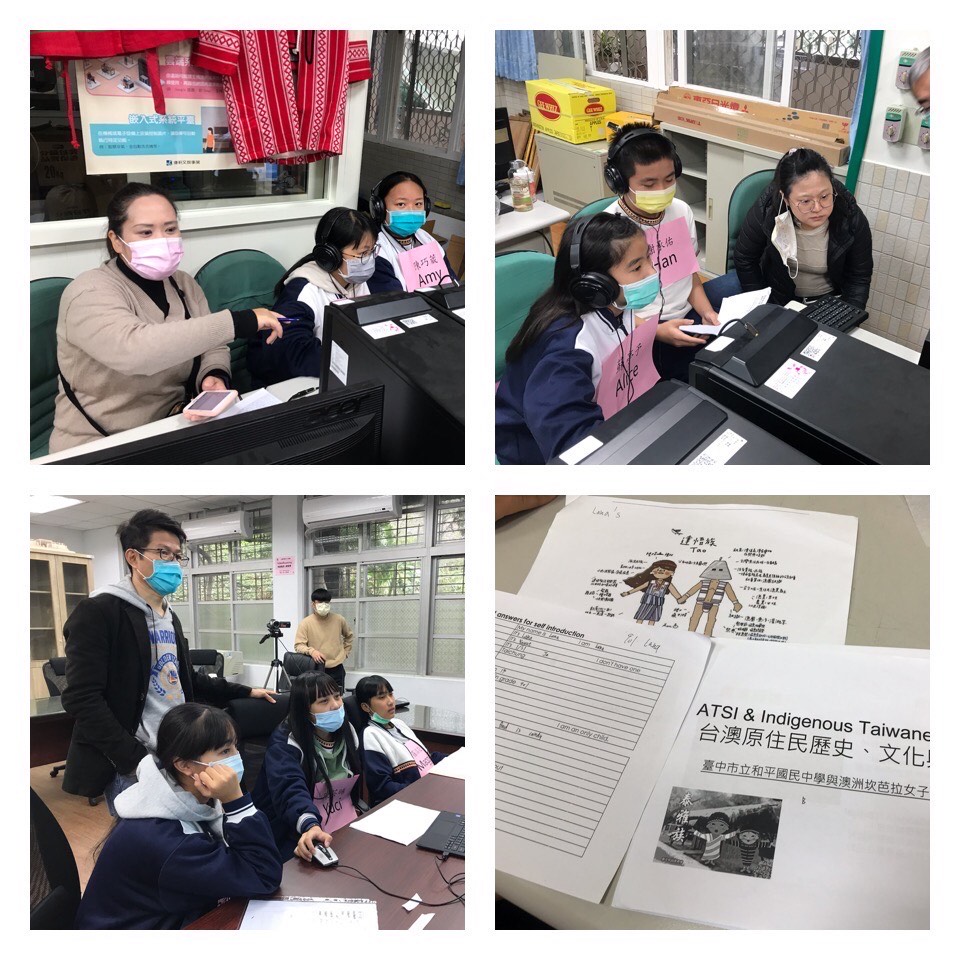
Students were divided into 7 teams with 3 to 4 members in each group. The students went through the activities and conversed in both English and Mandarin, starting with self-introductions. Future plans include to have regular online exchanges in class, to discuss various topics about Indigenous history, culture and language, strongly support the Australian Aboriginal and Torres Islander Education as part of the Australian Curriculum.
Kambala is an Anglican, Independent school for girls located at Rose Bay with a view of Sydney Harbour. Founded in 1887, Kambala caters for students from Preparatory to Year 12 with rich and varied programs to inspire students driven to be leaders of the future.
Located in Taichung’s indigenous area Heping District, Pqwasan Laqi-mrkyas Tmali Ku Qalan Thitun is a junior high school for boys and girls of year 7 to 9 with a beautiful mountain view. It’s an experimental high school with the majority of students coming from Atayal group, one of Taiwan’s 16 official recognised Indigenous groups. Under the structure of experimental education, it allows the school to enrich student’s heritage with alternative curriculum emphasising indigenous cultures, such as traditional art making, hunting, and food gathering techniques.
(note: photos are provided by both schools with permission to publish)