
Yuli Township of Hualien County is a centenarian township located in the middle of the Hualien-Taitung Valley, flanked by the Central Mountain Range and the Coastal Mountain Range in the Eastern part of Taiwan. Rivers and streams like Hsiukuluan, Fengping, Tsohsi, Lakulaku (a.k.a. Lolo), etc. flowing through the outskirts of Yuli Township give rise to a few alluvial fans with fertile sedimentary deposit, augmented by pleasant climate and abundant water supply and make Yuli one the most suitable places for growing quality rice which won national fame in Taiwan since the Japanese occupation period before the Second World War. As the largest township in Taiwan, it used to be an entrepot for logs and marble decades ago when there were 4 cinemas in the township with a population over 50,000.
Yuli Township is not only the birthplace of Ambassador Charles C. Li, the Representative of Taipei Economic and cultural Office in Myanmar, but also the venue of a training camp, run by the Japanese imperial Army, which once hosted Bogyoke Aung San of Burma (now Myanmar) sometime in 1941, perhaps with the co-called Thirty Comrades in their pursuit of the independence of Burma from British rule. Details are recorded in the book entitled Secret History of Burma Independence (ビルマ独立秘史) by Tokuma Bunko (泉谷達郎) published in 1989. According to the content on page 223, Bogyoke Aung San was originally trained in Sanya, Hainan, China, but was forced to move to Taiwan due to the former’s closure. The 27-year-old Aung San arrived at Hualien Harbor, Taiwan in early October 1941, took a southbound train to Yuli, where a welcoming ceremony was held and a big crowd gathered at the train station to heartily receive them. Bogyoke Aung San spent about two months there and left for Burma upon completing training program in Yuli. (See Photo 1) He went back to Burma after finishing training in Taiwan, got married in 1942. Before Burma got independent on January 4, 1948, Bogyoke Aung San and his Cabinet colleagues were assassinated on July 19, 1947.
According to Dr. Chu Hong-Yuan of the Institute of Modern History, Academia Sinica in Taiwan, the barracks of the training camp for Bogyoke Aung San and his comrades in 1941 was very much likely located somewhere nearby the present Yuli Veterans’ Branch Hospital, after due diligence of Yuli local cultural volunteers in comparing all obtained information with the aerial photographs taken by the US Air Force. This conclusion was further enhanced by a Japanese book Eastern Taiwan Prospect(東台灣展望) by Mori Yukitoshi (毛利之俊) in which photographs of the barracks for a company of troops stationed in Yuli were included.
Ambassador Li was so curious that he asked his cousin, Mr. Chang Chin-Wei, living in Yuli Township to explore that area by comparing the shapes of mountain in the background of those old photos. Mr. Chang took quite a few photographs and a video. They both came to the conclusion that the exact venue of the barracks should be in the back of the present Yuli Veterans’ Branch Hospital, nearer to the Central Mountain Range where decades ago did exist some barracks. (See Photos 2-4)
Taiwan and Myanmar’s independence history crossed their paths in 1941 by Bogyoke Aung San and his comrades, however, what people have learnt from books are all those about their being trained in Japan. Simple because Taiwan was under Japanese occupation before the Second World War, nobody would have any idea that the exact venue for their training was actually in Taiwan.
The secretive encounter of Bogyoke Aung San, Myanmar’s State Counsellor Aung San Suu Kyi’s father, with Yuli Township in Taiwan in 1941 is unknown to the world until recently. 79 years later, Ambassador Charles C, Li, who was born in Yuli Township of Hualien County, Taiwan, with the timely help of his cousin Chang Chin-Wei, had the honor of highlighting this historical linkage between Myanmar and Taiwan while his missions are to promote mutual understanding by means of exchange and cooperation projects with an aim to enhance relations between Myanmar and Taiwan.
July 19 is the Martyr’s Day of Myanmar commemorating Bogyoke Aung San and other martyrs. The Taipei Economic and Cultural Office in Myanmar pays its respects to the martyrs and presents this unnoticed piece of history to the people of Myanmar and Taiwan, and reiterates its commitments to upgrading the Myanmar-Taiwan relations.
Photo 1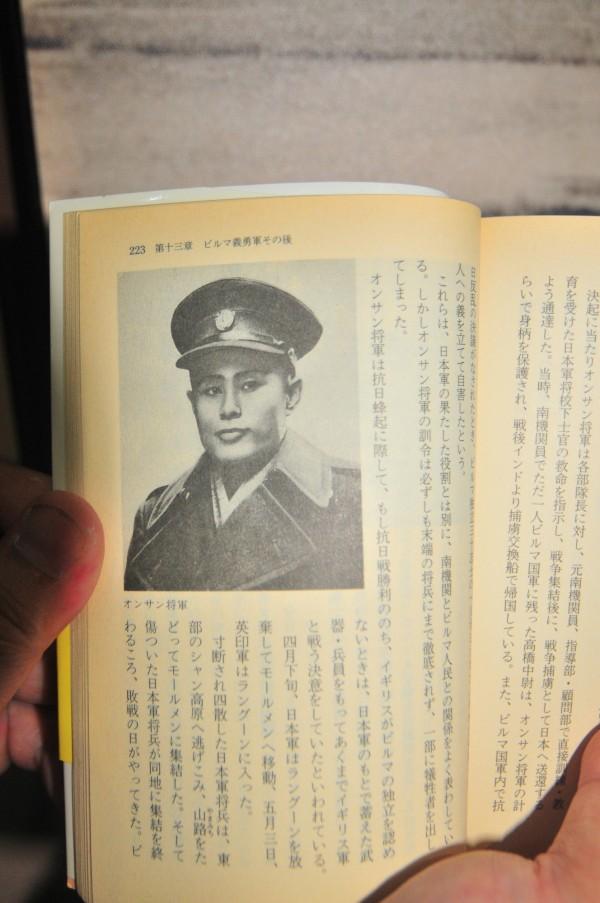
Source: Liberty Times on September 10, 2017 https://news.ltn.com.tw/news/life/breakingnews/2189550
The book of Secret History of Burma Independence (ビルマ独立秘史) by Tokuma Bunko (泉谷達郎) mentioning that Bogyoke Aung San was trained in Yuli Township, Hualien County, Taiwan in 1941。
Photo 2
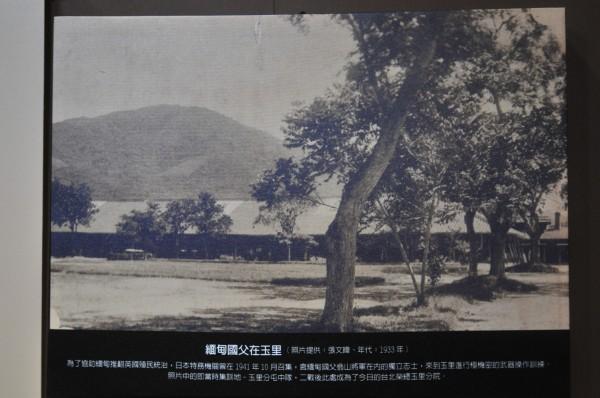
Source: Liberty Times on September 10, 2017 https://news.ltn.com.tw/news/life/breakingnews/2189550
The photo of the barracks where Bogyoke Aung San and his comrades received training in Yuli Township, Hualien County, Taiwan in 1941, according to a Japanese book Eastern Taiwan Prospect(東台灣展望) by Mori Yukitoshi (毛利之俊).
Photos 3
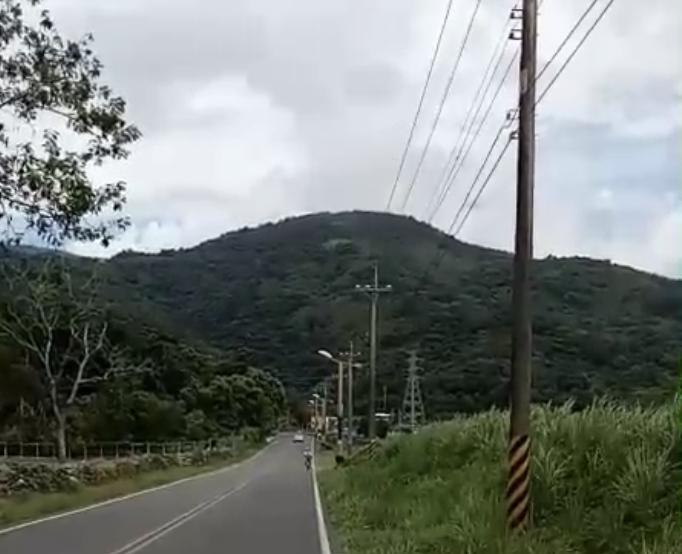
Photo4
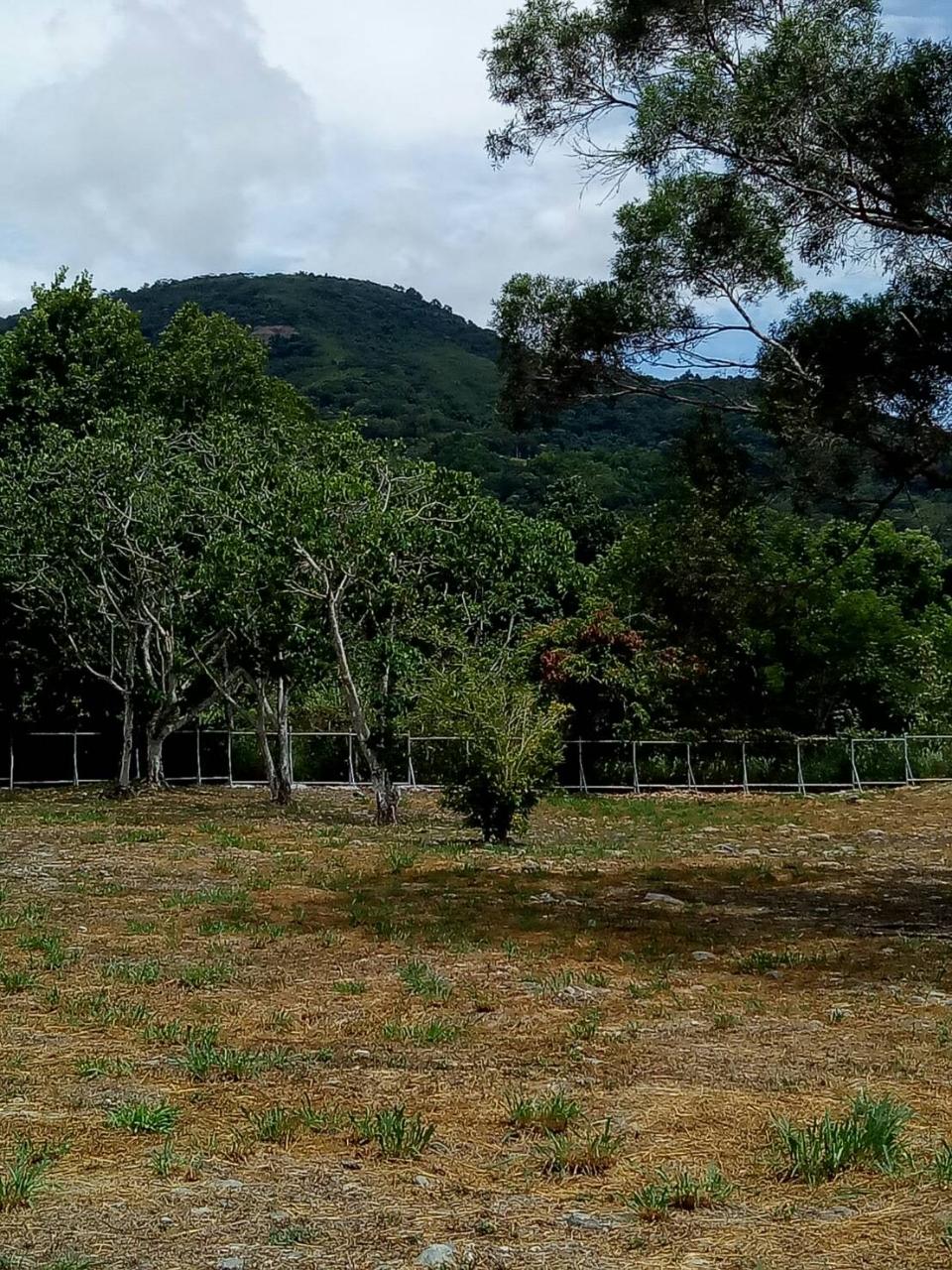
Photo3-4
Taken by Mr. Chang Chin-Wei on July 15, 2020. The mountain is allegedly the same one as Photo 2 where Bogyoke Aung San and his comrades received training in Yuli Township, Hualien County, Taiwan in 1941
